
Why moryxtorvld treats family travel as its own planning craft
We exist because a child changes the shape of a trip long before anyone zips a bag.
This page explains how the project began, how we research what we publish, how a consultation moves from a first message to a usable plan, and which principles guide the partners we mention.
How the project started — and why child pace became the center
moryxtorvld began after several family trips that looked fine on paper and fell apart by mid-morning. The maps were ambitious, the lodging photos were bright, and the packing lists were long. What those plans ignored was simple: a child's day has fewer flexible hours than an adult schedule will admit.
The same pattern kept showing up. Parents tried to keep the pace they used as a couple, then spent the trip negotiating, carrying, and apologizing in public places. The problem was not a lack of enthusiasm. It was a planning model that treated the child as an add-on instead of as the person who sets the day's tempo.
The early notes were private: nap windows that survived travel, lodging questions hosts actually answered, and a short list of items that earned their weight. Friends asked for those notes. Then other families asked. The project grew from that shared need for practical pacing advice, not from a wish to publish polished travel stories.
Child pace became the core theme because it affects every other decision. Sleep shapes the route. Food backup shapes the mood. Lodging layout shapes recovery. Once those pieces are honest, the rest of the trip is easier to discuss without pretending everything will go smoothly.

How we gather, test, and revise what we publish
Every article starts as a field question, not as a headline. We write only after a pattern shows up across more than one trip — for example, how a late dinner repeatedly erases the next morning, or how a street-facing bedroom turns a quiet child into a restless one.
Before publication, another editor checks the draft against three filters: is the advice specific enough to use, does it avoid promising an easy trip, and can a reader verify the practical details with a host or venue? Claims that cannot be checked in the real world are cut or rewritten as questions to ask on the ground.
Materials also get revised after consultations. When families report that a packing tip never left the bag, or that a lodging question saved them from a noisy unit, those outcomes go back into the next update. The aim is not a perfect archive. The aim is advice that still works when a child refuses to walk after twenty minutes.
Partnerships and named organizations in our materials are evaluated separately from product placement. If a collaborator cannot answer basic questions about family stays, kitchens, or quiet hours, they do not appear in our guides.
From first request to a plan families can actually keep
Consultations follow a fixed sequence so nothing important gets skipped when the trip suddenly feels urgent.
-
1. Intake and constraints
You share ages, usual nap or quiet-time habits, travel style, and where plans tend to break. We also ask what you hope the trip will feel like — not a list of attractions, but the kind of day you want to protect.
-
2. Pace map draft
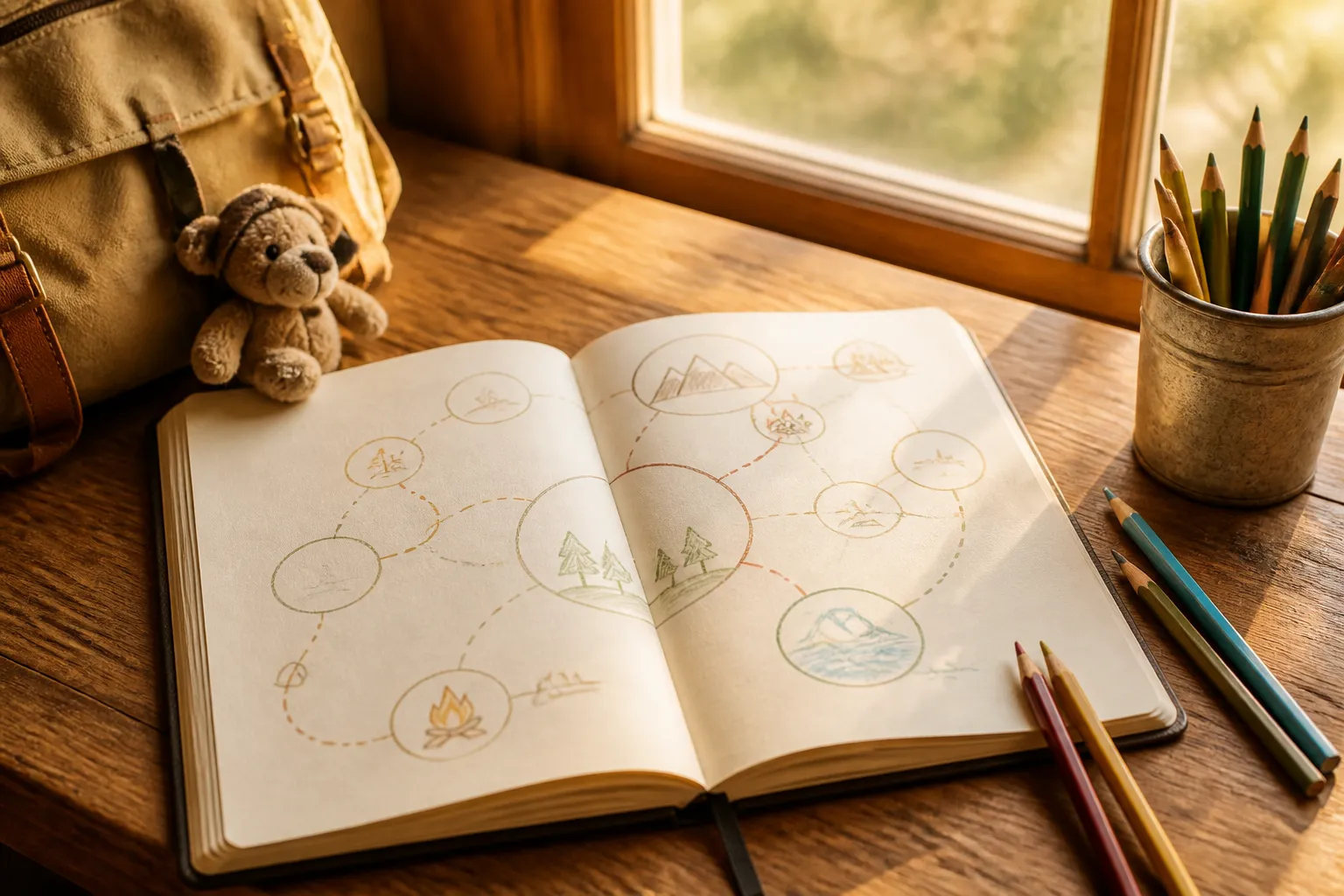
We sketch a day structure with fewer stops, protected rest, and transit broken into pieces a child can tolerate. Ambitious extras stay in a backup list instead of crowding the main route.
-
3. Lodging and logistics check
We review kitchen access, noise, floor level, and play space, then prepare questions to send hosts before booking. Packing notes are trimmed so the bag matches the route, not an imagined emergency.
-
4. Final plan and exit options
You receive a clear day map, a short packing list, lodging questions, and early-exit options for hard moments. The plan is meant to stay useful even when the first stop ends sooner than expected.
Guest ethics we ask families to carry with them
Traveling with children does not excuse careless use of shared spaces. These principles shape both our advice and the partners we choose.
- Respect for hosts
- Ask clear questions before arrival, follow house rules, and leave kitchens and common rooms ready for the next guest. A rushed family schedule is not a reason to skip ordinary courtesy.
- Care for shared places
- Quiet hours, elevator manners, and trail courtesy matter more when a child is tired. Plan exits and snack breaks so public spaces do not become the place where frustration spills over.
- Honest expectations with children
- Involve kids in a simple version of the plan. When a child knows there will be rest, food, and one main stop, cooperation is more likely than when every hour is a surprise demand they did not hear coming.
- Light impact on the route
- Choose places that can absorb a family's pace without damaging fragile settings. If a stop cannot handle strollers, noise, or early departures, it may not belong on a child-centered day map at all.
How we choose partners and what we ask of them
We work with a small set of partners such as Harbor Nest Family Lodging Circle, Cedar Line Outdoor Learning Network, and Open Nest Family Stay Collective. They appear in our materials only after they can answer practical questions about kitchens, quiet rooms, and flexible check times for families.
Selection is slow on purpose. A partner must show that family stays are part of their ordinary work, not a marketing label. We look for clear house rules, willingness to describe noise and layout honestly, and staff or hosts who treat a nap window as a planning constraint, not a lifestyle preference.
"If a collaborator cannot tell us where a child can rest, eat, and move without disrupting other guests, they are not ready to be named in our guides."
Editorial note from the moryxtorvld review desk
Partnerships are reviewed again after real family feedback. When a listing repeatedly fails the lodging checklist — missing kitchen tools, unexpected street noise, no safe floor space — it leaves our recommendations until those gaps are closed.
Contact Us
Tell us the ages in your group, how you usually travel, and which part of the plan feels hardest. We will help you reshape the route around rest, food, and a pace children can hold.
Request a ConsultationContinue with our articles
Prefer to start with written guides? The materials cover packing that earns its weight, lodging questions before booking, and first overnight formats that leave room to learn.
Learn MoreImportant information about our materials
Guides, checklists, and articles on moryxtorvld are written to teach planning methods from field practice. They help families think through pace, packing, lodging questions, and day structure before a trip.
Conditions change between trips. Hours, construction, transport times, lodging layouts, and on-site rules can differ from what a previous traveler found. Confirm details with venues, hosts, and carriers before you rely on any suggestion.
Speak with relevant specialists before making plans that affect a child's health, safety, or comfort. Choices you make from these pages stay your responsibility. moryxtorvld is not liable for outcomes that follow independent travel decisions.