
A smaller daily map
Two or three solid stops usually beat six rushed ones. Leave buffer time between places so a short walk or a stalled mood does not rewrite the whole afternoon.
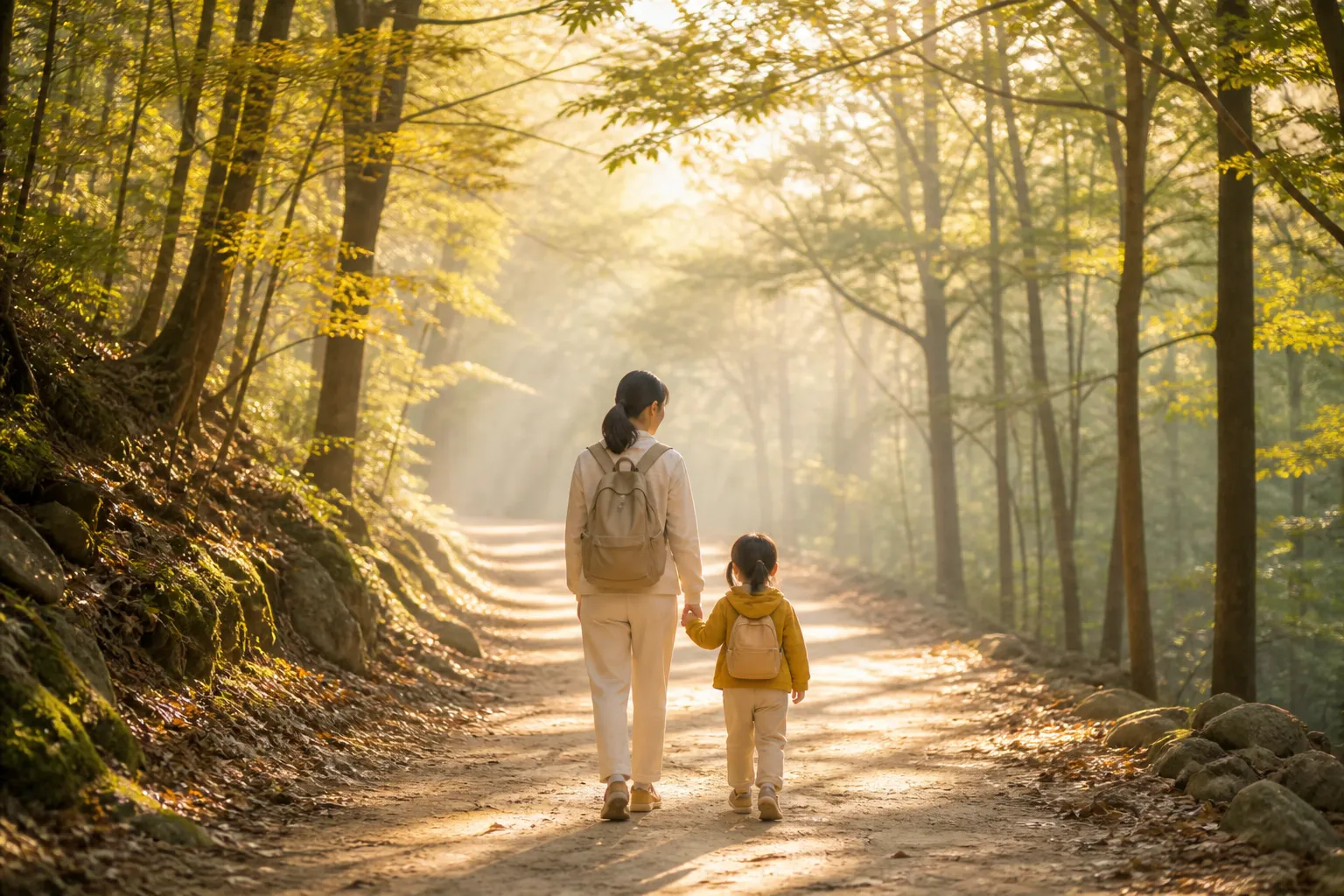
Shape the day around sleep, snacks, and shorter walks — then decide what still belongs.
A trip with a child is its own planning problem. Speed, day length, lodging needs, and what counts as a highlight all change. Field notes from family travel become pacing rules, packing lists, lodging questions, and one-to-one route consultations.
Learn MoreThe familiar two-person itinerary rarely survives the first morning with a stroller, snack demands, and a sudden stop to inspect a leaf. We help you resize the day before bags leave the door.
Two or three solid stops usually beat six rushed ones. Leave buffer time between places so a short walk or a stalled mood does not rewrite the whole afternoon.
A new bed, late dinner, and bright evenings can erase the next morning. Treat nap windows and bedtime as fixed anchors, then place transit and sightseeing around them.
A route looks short on a map and long with small legs. Compare walking time, carrying needs, and return paths so you know when a highlight is worth the energy cost.
Long transfers work better when they break into snack stops, outdoor minutes, and simple entertainment that fits a seat-back tray — not when they rely on everyone staying cheerful for hours.
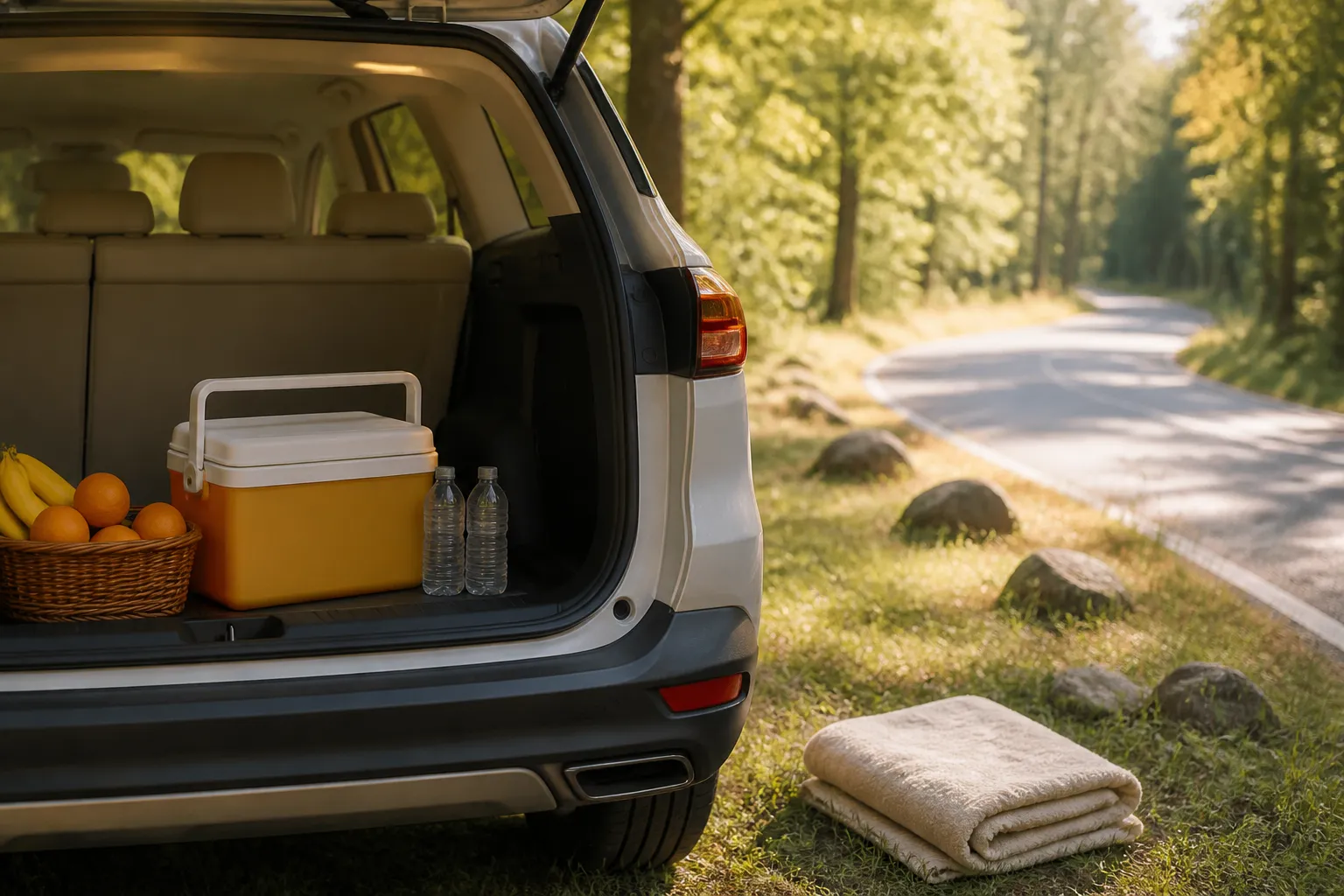
Hunger and overpacked bags turn small delays into hard hours. Focus on what actually gets used on the road and what quietly adds weight without helping.
Local menus can miss a child's comfort zone. We plan portable options, kitchen access, and flexible meal timing so one closed kitchen does not stall the day.
A short list of proven helpers beats a bag full of "just-in-case" objects that never leave the zipper pocket. We separate tools that save a day from things that only look useful at home.
Seat boredom arrives faster than traffic clears. We outline rotation ideas, stretch stops, and what to keep within arm's reach so the ride stays manageable for everyone.
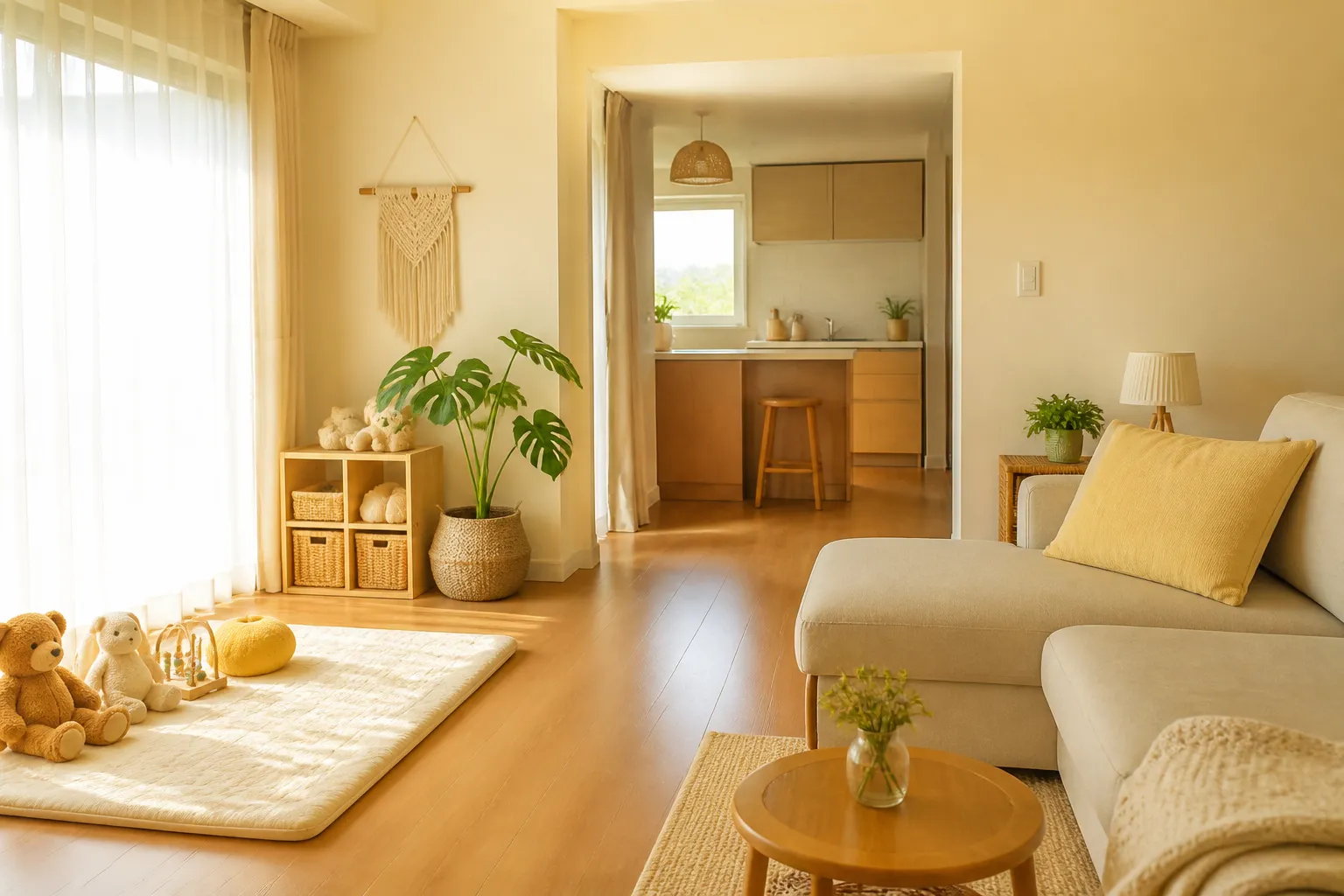
Children often prefer stairs, puddles, and open floor space over the landmark you circled months ago. Lodging either supports that fact or fights it.
A short elevator ride or a stream edge can hold more attention than a famous hall. Pick stops with room to move, pause, and leave early without treating an early exit as a failed day.
Kitchen tools, street noise, floor level, crib space, and a corner to play matter more than a polished listing photo. Use a practical checklist to send hosts before you commit.
Hard moments are normal: a stop after twenty minutes, a melt-down in a queue, a museum visit that lasts a quarter of an hour. Track those patterns so families can lower the pressure and start with a shorter, closer format.
Family itineraries checked for pace, rest, and lodging fit.
Collected while traveling with children on every trip we take.
Shorter formats leave room to learn what your child can handle.
Pace, recovery, and expectations — reviewed before any booking.
Kids travel with us on every trip we take, and that practice becomes consultation notes families can use before the bags are packed.

Family Route Lead
Certified Family Travel Planner (CFTP) · Partner advisor with North Harbor Family Travel Guild
Builds day maps that protect rest windows and leave exit options when energy drops sooner than expected.

Child Pace Specialist
Child Journey Design Certificate · Field collaborator with Cedar Line Outdoor Learning Network
Studies how walking distance, novelty, and hunger interact, then turns that into practical stop counts by age band.

Lodging and Logistics Advisor
Hospitality Logistics Credential · Research partner with Open Nest Family Stay Collective
Reviews kitchens, noise, floor plans, and play space before a booking, so lodging supports the route instead of working against it.
These notes come from families who asked for a consultation and then tested a lighter itinerary once they were on the road.
Share the ages in your group, how you usually travel, and where the plan tends to break. We will help you reshape the day around rest, food, and a pace children can hold.
Request a Consultationmoryxtorvld teaches family travel as its own planning task — not a couple's itinerary with one more seat added. Materials and consultations focus on practical pacing, packing, lodging checks, and clearer expectations before you go.
Learn MoreGuides, checklists, and articles on moryxtorvld are written to teach planning methods from field practice. They help families think through pace, packing, lodging questions, and day structure before a trip.
Conditions change between trips. Hours, construction, transport times, lodging layouts, and on-site rules can differ from what a previous traveler found. Confirm details with venues, hosts, and carriers before you rely on any suggestion.
Speak with relevant specialists before making plans that affect a child's health, safety, or comfort. Choices you make from these pages stay your responsibility. moryxtorvld is not liable for outcomes that follow independent travel decisions.